



A 68-year-old retired teacher recently visited our clinic after experiencing frequent dizziness and two unexplained fainting episodes. Initially, he blamed weakness and age-related fatigue.
However, after a detailed cardiac evaluation, we discovered that his heart was beating dangerously slowly. A pacemaker implantation was recommended, and within weeks of the procedure, his symptoms improved significantly.
Stories like this remind us that many heart rhythm disorders go unnoticed until they begin affecting daily life.
If you're looking for a Pacemaker Implant Specialist in Patel Nagar, understanding the warning signs and treatment options can help you seek care before a serious complication occurs.
When Your Heart's Electrical System Stops Working Properly
Most people think of the heart as a pump.
What many don't realize is that the heart also relies on a complex electrical system to maintain a healthy rhythm.
When this electrical system slows down or becomes irregular, symptoms can develop that affect your quality of life.
Common Symptoms of Heart Rhythm Problems
Frequent Dizziness
Feeling lightheaded regularly may indicate an abnormal heart rhythm.
Fainting Episodes
Sudden loss of consciousness should always be evaluated by a cardiologist.
Extreme Fatigue
A slow heart rate can reduce blood flow, leaving you feeling exhausted.
Breathlessness
Difficulty performing routine activities may signal that the heart isn't pumping efficiently.
Irregular Heartbeat
Skipped beats, fluttering sensations, or unusually slow heart rates require medical attention.
The Pacemaker Myth That Needs to Change
Pacemakers Are Not Only for Very Elderly Patients
Many people believe pacemakers are only required by patients in their 80s or 90s.
This isn't true.
We've treated patients in their 40s, 50s, and 60s who benefited greatly from pacemaker implantation because of underlying rhythm disorders.
Age alone doesn't determine whether someone needs a pacemaker.
The decision depends on heart function and symptoms.
What Exactly Does a Pacemaker Do?
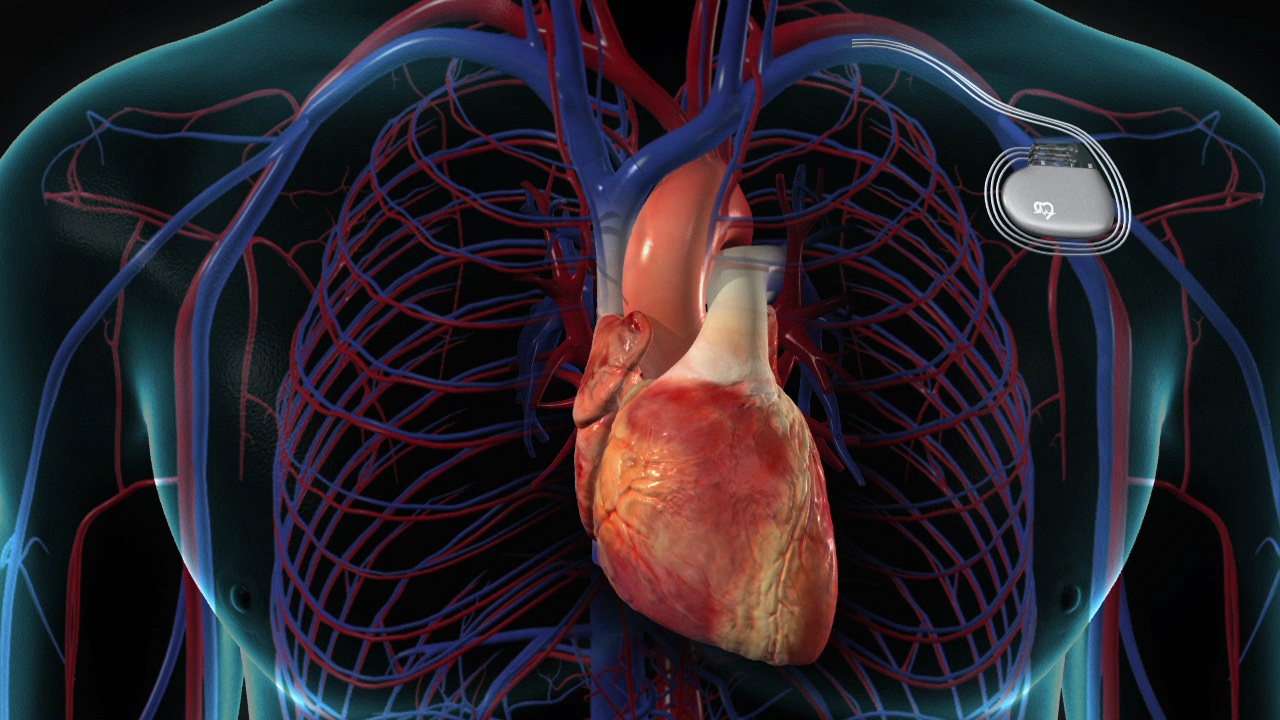
A pacemaker is a small device implanted under the skin that helps regulate the heartbeat.
It sends electrical signals to the heart when the natural rhythm becomes too slow or irregular.
The result is often:
-
Improved energy levels
-
Reduced dizziness
-
Better exercise tolerance
-
Lower risk of fainting
-
Improved quality of life
For many patients, it allows them to return to normal daily activities with confidence.
Why Patients Choose Dr. Kavita Tyagi Cardiologist
Heart rhythm disorders require accurate diagnosis and careful management.
Many patients trust Dr. Kavita Tyagi Cardiologist for comprehensive cardiac evaluations, rhythm assessments, and long-term heart health management.
The focus is always on identifying the underlying cause of symptoms and recommending the most appropriate treatment strategy.
Whether a patient requires medication, monitoring, or device-based therapy, personalized care remains the priority.
Who May Need Pacemaker Evaluation?
You should consider consulting a cardiologist if you experience:
-
Repeated fainting episodes
-
Slow heart rate
-
Chronic dizziness
-
Unexplained weakness
-
Persistent fatigue
-
Irregular heartbeat
-
Shortness of breath during normal activities
Early evaluation can help identify serious rhythm problems before complications occur.
Specialties of Dr. Kavita Tyagi Cardiologist
Pacemaker Evaluation and Management
Comprehensive assessment of patients with suspected rhythm disorders.
Preventive Cardiology
Early detection of cardiovascular risk factors.
Arrhythmia Diagnosis
Evaluation and treatment of abnormal heart rhythms.
Hypertension Management
Control of high blood pressure to protect long-term heart health.
Coronary Artery Disease Care
Diagnosis and management of blocked heart arteries.
ECG and Echocardiography
Advanced diagnostic testing for accurate cardiac assessment.
Heart Failure Management
Long-term care for patients with reduced heart function.
What Happens During a Pacemaker Assessment?
The first consultation typically includes:
Medical History Review
Understanding symptoms, medications, and previous health conditions.
Physical Examination
Basic cardiovascular assessment and blood pressure evaluation.
Diagnostic Testing
Tests may include:
-
ECG
-
Holter Monitoring
-
Echocardiography
-
Blood Tests
-
Stress Testing (when appropriate)
These investigations help determine whether a pacemaker may be beneficial.
Heart Rhythm Disorders Are More Common Than Many People Think
Recent cardiovascular data from 2024 continues to show increasing awareness and diagnosis of heart rhythm disorders, particularly among older adults and individuals with underlying heart disease.
Fortunately, advances in pacemaker technology have made treatment safer, more effective, and more comfortable than ever before.
When Should You Seek Immediate Medical Attention?
Contact a cardiologist immediately if you experience:
-
Sudden fainting
-
Severe dizziness
-
Persistent slow heartbeat
-
Chest pain
-
Difficulty breathing
-
Loss of consciousness
These symptoms may indicate a serious heart rhythm problem requiring urgent care.
Frequently Asked Questions
How long does a pacemaker last?
Most modern pacemakers function effectively for several years before battery replacement becomes necessary.
Is pacemaker implantation a major surgery?
Pacemaker implantation is generally considered a minimally invasive procedure performed under local anesthesia.
Can I live a normal life with a pacemaker?
Yes. Most patients return to normal activities and enjoy a significant improvement in their quality of life after recovery.
Don't Ignore the Warning Signs
Symptoms such as dizziness, fainting, fatigue, or irregular heartbeats should never be dismissed as a normal part of aging.
If you're looking for a trusted Pacemaker Implant Specialist in Patel Nagar, schedule a consultation with Dr. Kavita Tyagi Cardiologist. Early diagnosis and appropriate treatment can help restore confidence, improve daily functioning, and protect your long-term heart health.
- Pacemaker Implant Specialist in Ganga Ram Hospital
- Pacemaker Implant Specialist in Rajendra Place
- Pacemaker Implant Specialist in Patel Nagar
- Pacemaker Implant Specialist in Central Delhi


