



You check your smartwatch and notice your heart rate is much lower than usual. There is no pain, so you ignore it.
A few days later, you feel dizzy when getting out of bed. You wonder whether you are simply tired or whether something is wrong with your heart.
This is a common point of confusion. A slow heartbeat does not automatically mean you need a pacemaker, but repeated symptoms should not be brushed aside.
A Pacemaker Implant Specialist in Patel Nagar can assess the cause of an unusually slow or irregular heartbeat and determine whether a pacemaker is actually appropriate.
Start With the Heart Rate
Your heart normally beats at a regular rhythm, but the exact heart rate can vary between people and situations.
Sleep, physical fitness, medicines, age, and other factors can affect your heart rate.
The concern arises when the heart's electrical system cannot maintain an adequate rhythm and this causes symptoms or creates a significant medical risk.
Watch for These Clues
Speak to a doctor if you repeatedly experience:
-
Dizziness or light-headedness
-
Fainting or near-fainting
-
Unusual tiredness
-
Shortness of breath
-
Reduced ability to exercise
-
Confusion or weakness
-
Repeated episodes of an unusually slow heartbeat
-
Awareness of an irregular heartbeat
These symptoms can have many causes. A heart rhythm assessment can help determine whether an electrical problem is involved.
A Pacemaker Isn't a “Last Resort”
Many patients hear the word pacemaker and immediately imagine major heart surgery.
That is not an accurate picture.
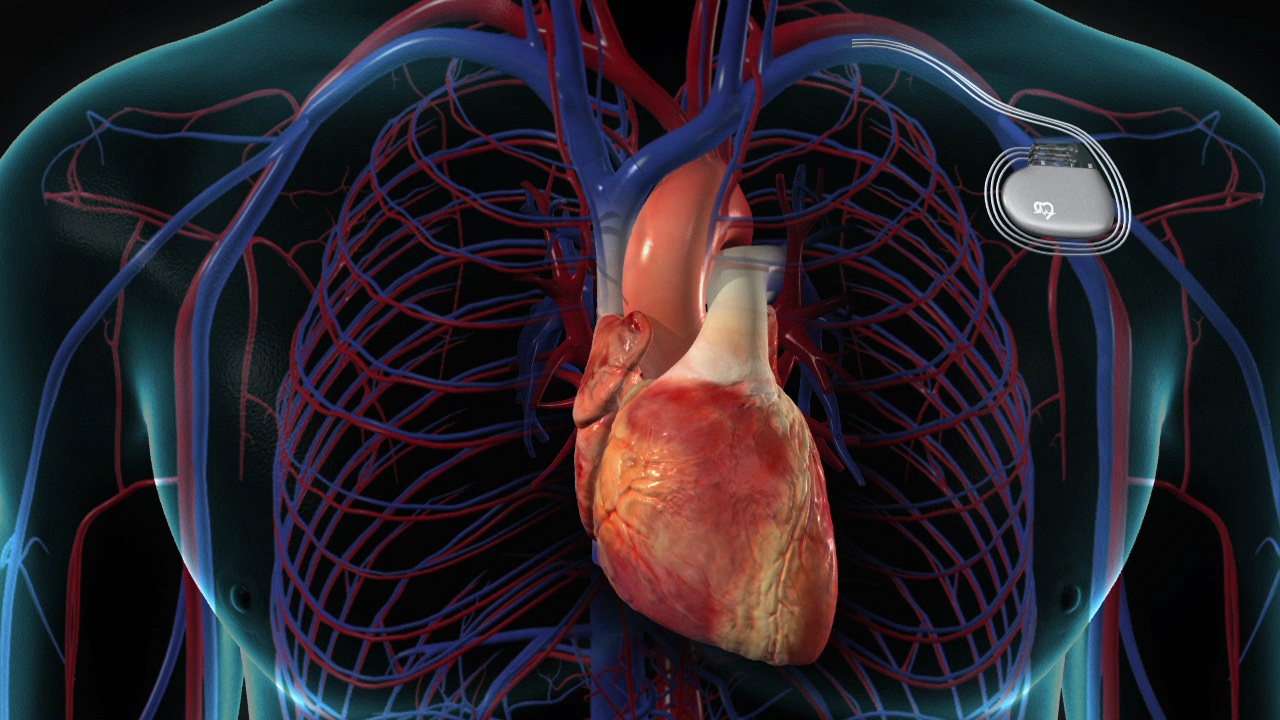
A pacemaker is a small device designed to help maintain an appropriate heart rhythm in people whose natural electrical system is not working reliably enough.
Whether someone needs one depends on the specific rhythm problem, symptoms, test results, and overall health.
The Electrical Side of Cardiology
This is where a Cardiac Electrophysiologist in Patel Nagar can play an important role.
Electrophysiology focuses on the heart's electrical activity. A specialist may evaluate abnormal rhythms using tests such as an ECG or longer-term rhythm monitoring.
The goal is not simply to identify a slow pulse. It is to understand why the rhythm is slow and whether it is clinically important.
Your Medicines Matter
Certain medicines can slow the heart rate.
That means a patient should not assume that a low reading automatically indicates permanent heart damage.
During your consultation, tell your doctor about all prescribed medicines, over-the-counter medicines, and supplements you take. Never stop a prescribed medicine on your own.
The Pacemaker Decision Is Personal
A Pacemaker Implant Specialist in Patel Nagar does not decide based on one number from a smartwatch.
The doctor considers the complete picture.
This may include your symptoms, ECG findings, rhythm pattern, medical history, medications, and whether the slow rhythm is temporary or persistent.
Sometimes monitoring is all that is required. In other cases, treatment may be necessary.
A Watch Can Raise a Question—Not Give a Diagnosis
Smartwatches and fitness trackers can be useful for noticing changes in heart rate.
But they are not a replacement for a medical assessment.
If your device repeatedly reports an unusual heart rate and you also feel dizzy, weak, breathless, or faint, use that information as a reason to speak with a healthcare professional rather than trying to diagnose yourself.
Main Cardiology Specialties
Heart care involves several specialties, and knowing the difference can help you find the appropriate doctor.
Clinical Cardiology
A Clinical Cardiologist in Patel Nagar evaluates a broad range of cardiovascular concerns, including blood pressure, chest discomfort, breathlessness, cholesterol, and suspected heart disease.
Cardiac Electrophysiology
A Cardiac Electrophysiologist in Patel Nagar specializes in abnormal heart rhythms and the electrical system responsible for maintaining your heartbeat.
Pacemaker Implantation
A Pacemaker Implant Specialist in Patel Nagar focuses on evaluating patients who may require pacemaker therapy and managing care before and after implantation.
Interventional Cardiology
An Interventional Cardiology Doctor in Patel Nagar performs minimally invasive procedures for selected heart and blood vessel conditions, including coronary interventions when indicated.
Angiography
An Angiography Treatment Specialist in Patel Nagar can evaluate whether coronary angiography may be appropriate when blocked or narrowed heart arteries are suspected.
Here's the Contrarian Advice
Here is something patients often get wrong: a low heart rate is not automatically dangerous, and a normal heart rate does not automatically mean your heart is healthy.
People can become overly focused on one smartwatch number.
A better approach is to look at the whole picture—symptoms, rhythm, medical history, risk factors, and clinical test results.
The number is a clue. It is not the diagnosis.
A Patient Example
Consider an older adult who repeatedly felt dizzy while standing and occasionally noticed an unusually slow pulse.
At first, the symptoms were blamed on dehydration and age.
During medical evaluation, the patient's heart rhythm was assessed rather than relying only on the pulse reading. This helped the care team determine whether the symptoms were connected to an electrical rhythm problem and whether further treatment was necessary.
The important lesson is simple: repeated dizziness combined with rhythm changes deserves an explanation.
What Happens Before Implantation?
If your doctor believes a pacemaker may be appropriate, you will first receive a detailed evaluation.
The doctor may review your ECG, rhythm-monitoring results, symptoms, medicines, and medical history.
You should ask practical questions such as:
-
Why do I need a pacemaker?
-
What happens if I do not have one?
-
What type of device is being considered?
-
What will recovery involve?
-
What follow-up will I need?
Understanding the reason for treatment can make the process much less frightening.
Dr. Kavita Tyagi Cardiologist
Dr. Kavita Tyagi Cardiologist may evaluate patients with concerns such as dizziness, palpitations, unusual heart-rate readings, breathlessness, or reduced exercise tolerance. A detailed cardiac assessment can help determine whether symptoms are related to an abnormal rhythm and whether specialist management is required.
Don't Diagnose Yourself From a Number
A slow heartbeat deserves attention when it is persistent, unexplained, or associated with symptoms—but it does not automatically mean you need a pacemaker.
The same principle applies to smartwatch readings. Use them to notice changes, not to make your own diagnosis.
If you are experiencing repeated dizziness, fainting, unusual tiredness, breathlessness, or irregular heartbeat, arrange an assessment with a Pacemaker Implant Specialist in Patel Nagar or an appropriate cardiology specialist.
If symptoms are sudden or severe, particularly fainting, significant breathing difficulty, or serious chest discomfort, seek urgent medical attention.
FAQ
What heart rate requires a pacemaker?
There is no single heart-rate number that automatically means a person needs a pacemaker. Doctors consider symptoms, ECG findings, the type of rhythm problem, and the underlying cause.
Is pacemaker implantation a major operation?
Pacemaker implantation is a medical procedure, but it is generally less extensive than open-heart surgery. Your doctor can explain the specific procedure, risks, recovery, and follow-up based on your situation.
How do I know if my slow heartbeat is serious?
A slow heartbeat becomes more concerning when it is associated with symptoms such as fainting, dizziness, unusual weakness, breathlessness, or reduced ability to perform normal activities. Medical evaluation can identify the cause.
Get the Rhythm Checked
You do not need to panic because your smartwatch shows a low number.
But if that number comes with dizziness, fainting, breathlessness, unusual weakness, or repeated rhythm changes, do not keep guessing.
Consult a Pacemaker Implant Specialist in Patel Nagar to understand the cause of your symptoms and whether monitoring or treatment is actually needed.
- Pacemaker Implant Specialist in Ganga Ram Hospital
- Pacemaker Implant Specialist in Rajendra Place
- Pacemaker Implant Specialist in Patel Nagar
- Pacemaker Implant Specialist in Central Delhi


