



It starts with something small. You feel dizzy when standing up. Sometimes you almost faint. Your heartbeat feels unusually slow, and simple activities leave you exhausted.
Many people think it's just age catching up with them.
But these symptoms could point to a heart rhythm problem that may require treatment from a Pacemaker Implant Specialist in Central Delhi.
What Is a Pacemaker?
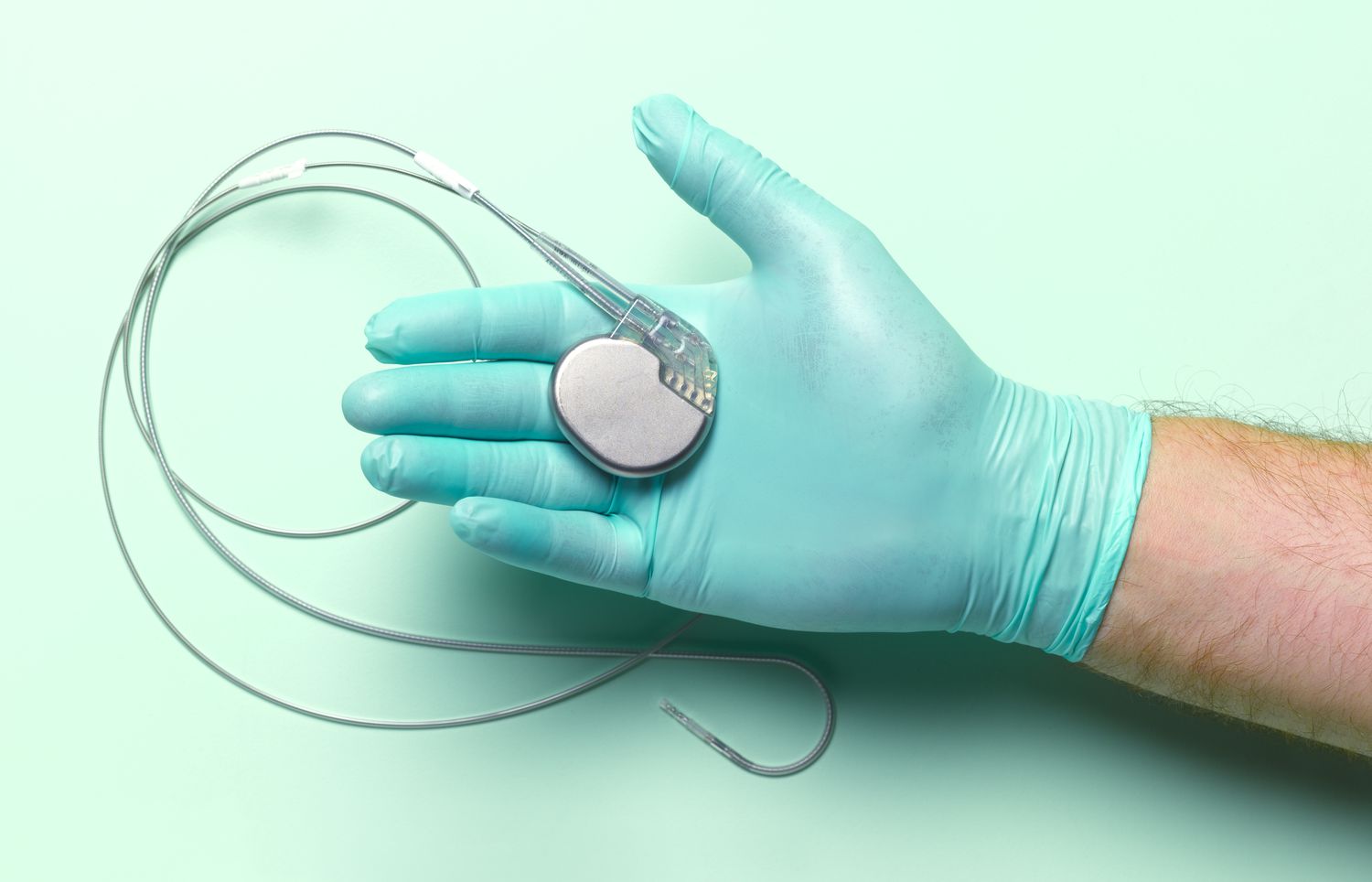
A pacemaker is a small medical device placed under the skin near your chest.
Its job is simple. It sends gentle electrical signals to help your heart beat at a normal and steady rhythm when your natural heartbeat becomes too slow or irregular.
For many patients, it restores energy, improves quality of life, and reduces the risk of serious complications.
When Might You Need a Pacemaker?
Not everyone with an irregular heartbeat needs a pacemaker.
However, your cardiologist may recommend one if you experience:
Common Warning Signs
-
Frequent fainting or blackouts
-
Persistent dizziness
-
Slow heartbeat (Bradycardia)
-
Extreme tiredness without another cause
-
Shortness of breath during daily activities
-
Heart rhythm disorders diagnosed through testing
If these symptoms continue, don't ignore them.
A Real Story We Often Remember
A 71-year-old retired gentleman visited our clinic after fainting twice within one month. His family assumed it was weakness caused by age.
After ECG and Holter monitoring, doctors discovered his heart rate was dropping dangerously low several times a day. A pacemaker was implanted successfully, and within weeks he was walking comfortably, spending time with his grandchildren, and enjoying his normal routine again.
Early treatment changed his quality of life completely.
One Myth That Stops People from Getting Help
Many patients believe that getting a pacemaker means their life will become limited.
The opposite is usually true.
Most people return to their regular daily activities after recovery. Modern pacemakers are small, reliable, and designed to help patients live active and independent lives.
How Do We Decide If You Need a Pacemaker?
A pacemaker is recommended only after careful evaluation.
Your cardiologist may perform:
-
Detailed medical history
-
Physical examination
-
ECG
-
Holter Monitoring
-
Echocardiography
-
Blood tests when required
Only after understanding the exact cause of your symptoms will the right treatment plan be suggested.
Our Specialties in Cardiac Rhythm Care
Patients looking for a Pacemaker Implant Specialist in Central Delhi often need complete care before and after the procedure.
Our specialties include:
Pacemaker Implantation
Safe implantation using modern techniques.
Pacemaker Programming
Adjusting the device to match your heart's needs.
Follow-up Care
Regular monitoring to ensure the pacemaker continues working effectively.
Bradycardia Management
Treatment for slow heart rhythms causing dizziness or fainting.
Arrhythmia Evaluation
Diagnosis of irregular heartbeats using advanced cardiac investigations.
Preventive Heart Care
Helping patients reduce future cardiovascular risks through ongoing care.
Why Experience Matters
Every heartbeat is unique.
Choosing an experienced cardiologist ensures that both diagnosis and treatment are carefully tailored to your condition. Many patients trust Dr. Kavita Tyagi, Cardiologist, for her patient-focused care, thorough evaluations, and evidence-based approach to managing heart rhythm disorders.
Heart Rhythm Disorders Are More Common Than Many Realize
According to 2024 cardiovascular reports, millions of people worldwide live with heart rhythm disorders, and early diagnosis significantly reduces the risk of falls, stroke, heart failure, and sudden cardiac complications.
Many patients experience years of improved quality of life after receiving timely treatment.
Life After a Pacemaker
Most patients recover well and gradually return to normal activities.
Your cardiologist will guide you on:
-
Physical activity
-
Follow-up appointments
-
Medication management
-
Device monitoring
-
Lifestyle habits that support long-term heart health
With regular follow-up, most people continue living active and fulfilling lives.
Frequently Asked Questions
1. Is pacemaker implantation a major surgery?
No. Pacemaker implantation is generally considered a minimally invasive procedure performed under local anesthesia with a relatively short recovery period.
2. How long does a pacemaker battery last?
Most modern pacemaker batteries last between 8 and 15 years, depending on the device and individual usage.
3. Can I live a normal life with a pacemaker?
Yes. Most patients return to work, travel, exercise moderately, and enjoy their regular daily activities after recovery and routine follow-up care.
Don't Ignore an Irregular Heartbeat
If you've been experiencing dizziness, fainting, unexplained fatigue, or a slow heartbeat, don't assume it's simply part of aging. Consulting Dr. Kavita Tyagi, Cardiologist, at the right time can help determine whether a pacemaker is the right solution and protect your heart for years to come.
- Pacemaker Implant Specialist in Ganga Ram Hospital
- Pacemaker Implant Specialist in Rajendra Place
- Pacemaker Implant Specialist in Patel Nagar
- Pacemaker Implant Specialist in Central Delhi


