



Experiencing chest discomfort while climbing stairs or feeling breathless during activities that were previously easy can be concerning. Sometimes, these symptoms may be related to narrowed or blocked arteries supplying blood to the heart. When initial examinations suggest a possible circulation problem, a doctor may recommend further testing, including coronary angiography.
Consulting an experienced Angiography Treatment in Central Delhi can help you understand why this investigation may be necessary, what the procedure involves, and which treatment options might be appropriate based on your results.
Coronary angiography is a specialised diagnostic procedure that allows doctors to examine the blood vessels supplying the heart. It helps identify narrowing or blockages and supports decisions about further treatment.
What Is Coronary Angiography?
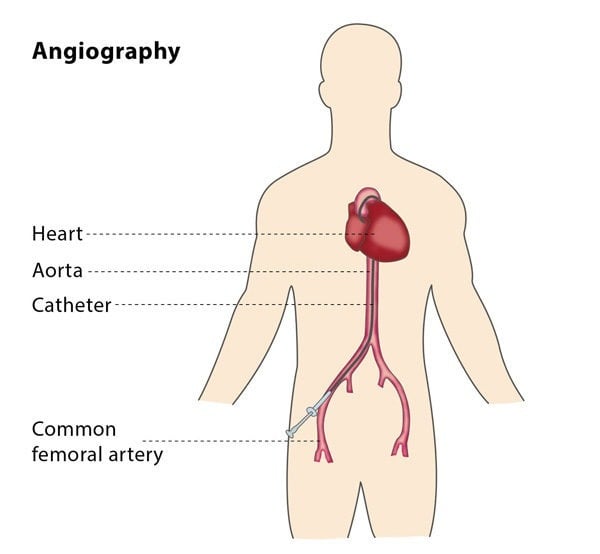
Coronary angiography is commonly used to investigate suspected coronary artery disease. During the procedure, a cardiologist guides a thin tube called a catheter through a blood vessel, usually in the wrist or groin, towards the heart.
A contrast dye is introduced through the catheter, and X-ray images show how blood flows through the coronary arteries. These images help the doctor identify areas where blood flow may be restricted.
Angiography is primarily a diagnostic procedure. If a significant blockage is identified, the medical team will assess whether medication, angioplasty, bypass surgery, or another approach is most suitable. Not every blockage requires an immediate procedure.
When Should You Consult an Angiography Specialist?
Your doctor may recommend coronary angiography when symptoms, examination findings, or other tests suggest a potentially significant heart problem.
Common reasons for further assessment include:
-
Chest pain or pressure that may be related to reduced blood flow to the heart.
-
Breathlessness associated with suspected coronary artery disease.
-
Abnormal findings on selected cardiac investigations.
-
Suspected heart attack or another acute coronary condition.
-
Persistent symptoms despite appropriate medical treatment.
-
Assessment before certain cardiac procedures or surgeries.
People with diabetes, high blood pressure, high cholesterol, or a family history of heart disease may also need cardiovascular evaluation. However, these risk factors alone do not automatically mean that angiography is necessary. The decision depends on an individual's symptoms, risk profile, and clinical findings.
Sudden chest pain, severe breathlessness, cold sweating, or fainting may indicate a medical emergency. Seek emergency care immediately rather than waiting for a scheduled consultation.
What Happens During the Angiography Procedure?
Understanding the process beforehand can make the experience less intimidating.
Before the procedure
Your cardiologist will review your medical history, current medications, allergies, kidney function, and previous test results. You will receive instructions about fasting and medication adjustments, if needed.
Inform the medical team if you have previously reacted to contrast dye or have kidney problems. Do not change your medication schedule without professional guidance.
During the procedure
The procedure is performed in a specialised cardiac catheterisation laboratory. The insertion site is cleaned and numbed with local anaesthesia. The catheter is then guided through the blood vessel, and contrast dye is used to obtain images of the coronary arteries.
You may experience brief warmth when the contrast dye is injected. The team monitors your heart rhythm, blood pressure, and overall condition throughout the procedure.
After the procedure
The catheter is removed, and pressure or a closure device is used to control bleeding at the insertion site. Depending on your condition and the circumstances of the procedure, you may be monitored for several hours or need to remain in the hospital longer.
Your doctor will explain the findings and discuss any recommended follow-up or treatment.
What Are the Possible Risks?
Coronary angiography is commonly performed, but it is still an invasive medical procedure. Potential complications include bleeding, bruising, blood vessel injury, an allergic reaction to contrast material, kidney injury, abnormal heart rhythms, and, rarely, serious cardiovascular complications.
Your individual risk depends on factors such as kidney function, existing illnesses, the urgency of the procedure, and overall health. A qualified specialist should explain the expected benefits and risks in your specific situation.
Choosing an Angiography Treatment in Central Delhi
Central Delhi offers access to a range of medical services, making it convenient for patients seeking cardiac evaluation. When selecting a specialist, consider their qualifications, experience with coronary angiography, hospital affiliation, and access to emergency cardiac facilities.
It is equally important to choose a doctor who explains investigation results clearly and discusses alternatives when appropriate. If angioplasty or another intervention is recommended, ask why it is needed, what benefits are expected, and whether other treatment options are available.
How Can You Prepare for Your Appointment?
Bring your previous ECG reports, echocardiograms, blood test results, prescriptions, and any reports from earlier cardiac investigations. Share information about diabetes, high blood pressure, kidney disease, allergies, and all medications you take.
Prepare questions about the procedure, recovery, activity restrictions, and follow-up appointments. Clear communication helps you participate confidently in decisions about your care.
Frequently Asked Questions
1. Is coronary angiography painful?
Local anaesthesia is used at the catheter insertion site. You may feel pressure during insertion or brief warmth when contrast dye is administered. Experiences vary, and the medical team can address discomfort.
2. Does every patient with chest pain need angiography?
No. The appropriate investigation depends on the nature of the symptoms, examination findings, and risk assessment. A doctor may recommend blood tests, an ECG, or non-invasive imaging before considering angiography.
3. How long does recovery take after angiography?
Recovery depends on the access site, your medical condition, and whether any additional procedure is performed. Follow your medical team's instructions regarding wound care, lifting, driving, and returning to normal activities.
Make an Informed Decision About Your Heart Care
An accurate diagnosis is an important step towards managing heart disease effectively. If you are looking for an angiography treatment specialist in Central Delhi, choose a qualified cardiology professional who can explain the investigation, interpret your results, and recommend treatment based on your individual needs.
- Angiography Treatment in Ganga Ram Hospital
- Angiography Treatment in Rajendra Place
- Angiography Treatment in Patel Nagar
- Angiography Treatment in Central Delhi


