



Feeling dizzy without warning, experiencing repeated episodes of fainting, or noticing an unusually slow heartbeat can be unsettling. These symptoms may sometimes indicate a problem with the heart's electrical system. When the heart cannot maintain an appropriate rhythm on its own, a doctor may recommend further evaluation by a cardiac rhythm specialist.
Consulting a qualified Pacemaker Implant in Ganga Ram Hospital can help you understand whether a pacemaker may be suitable for your condition. A pacemaker is a small electronic device that helps regulate the heartbeat when the heart's natural electrical signals do not work properly.
The decision to implant a pacemaker depends on your symptoms, test results, underlying condition, and overall health.
What Is a Pacemaker?
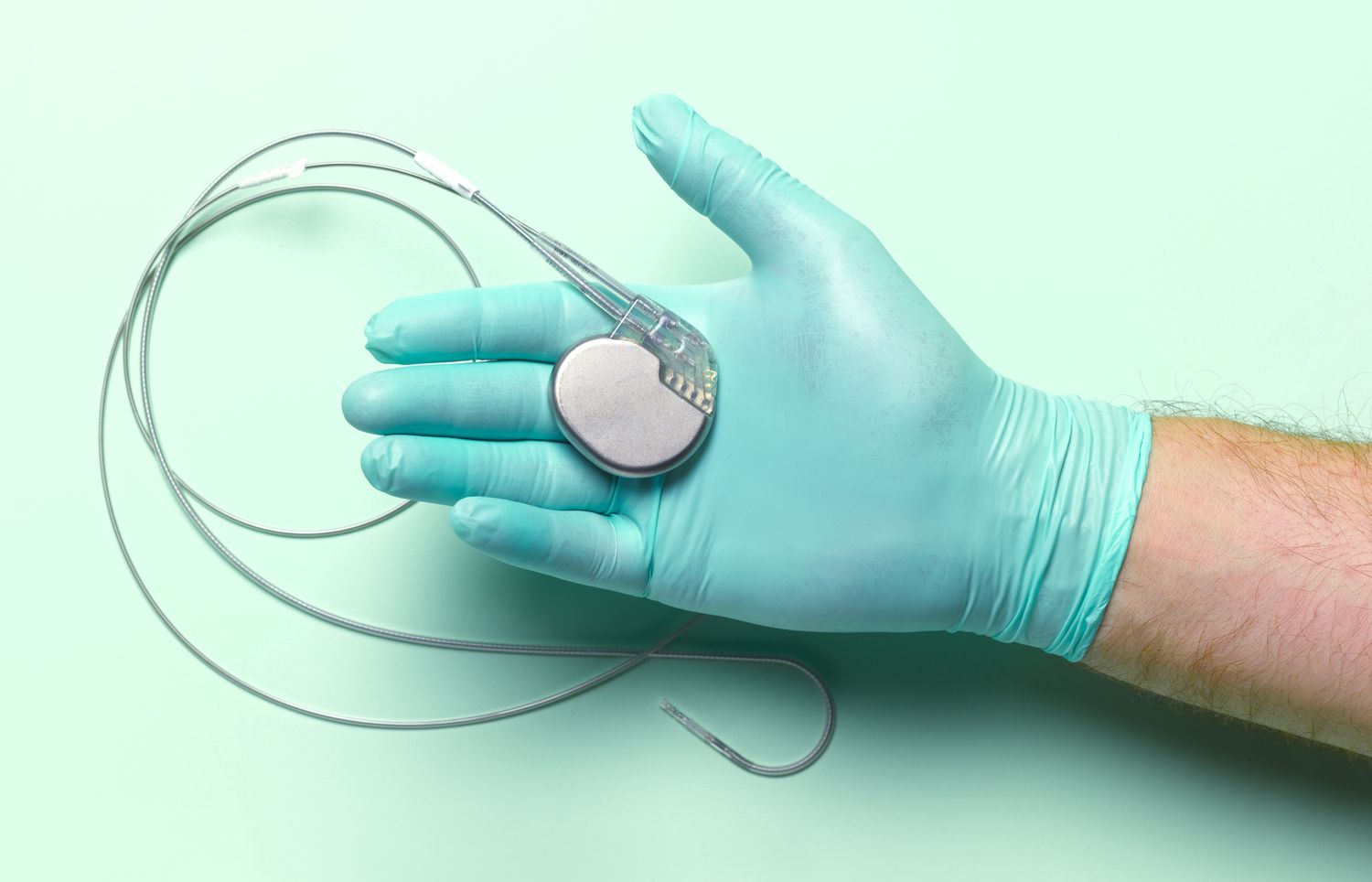
A pacemaker is a medical device designed to help maintain an appropriate heart rate. It usually consists of a small generator containing a battery and electronic circuitry, along with leads that deliver electrical impulses to the heart when needed. Some newer devices use leadless technology.
The device monitors the heart's rhythm and provides electrical stimulation when the heartbeat becomes too slow or certain electrical signals fail to reach the heart chambers properly.
Pacemakers do not treat every type of abnormal heartbeat. Other rhythm disorders may require medication, a different implanted device, or a procedure such as catheter ablation.
When Might You Need a Pacemaker?
A cardiologist may recommend a pacemaker when testing confirms a rhythm problem that is likely to benefit from pacing.
Common reasons include:
-
Symptomatic bradycardia: A slow heart rate that causes symptoms or affects the body's ability to receive adequate blood flow.
-
Heart block: A problem with the electrical signals travelling between the heart's chambers.
-
Certain sinus node disorders: Conditions affecting the heart's natural pacemaker.
-
Some rhythm problems following cardiac procedures: Selected patients may need pacing if a significant conduction problem develops.
Possible symptoms include dizziness, fainting, unusual fatigue, reduced exercise tolerance, or confusion related to an abnormally slow heartbeat.
However, these symptoms can have many causes. A slow heart rate does not automatically mean that a pacemaker is necessary. Your doctor will assess the relationship between your symptoms and heart rhythm before recommending treatment.
Sudden fainting accompanied by chest pain, severe breathlessness, or other serious symptoms requires emergency medical attention.
What Happens During Pacemaker Implantation?
Pacemaker implantation is generally performed in a specialised cardiac procedure room or operating environment.
Before the procedure
The specialist reviews your medical history, ECG findings, medications, and other relevant test results. You will receive instructions about fasting and whether any medication adjustments are necessary.
Tell your medical team about allergies, previous procedures, and medicines that may affect bleeding. Never stop a prescribed medicine without medical advice.
During implantation
In a conventional pacemaker procedure, the doctor usually makes a small incision near the collarbone. One or more leads are guided through a blood vessel into the appropriate heart chamber or chambers, and the pulse generator is placed beneath the skin.
The device is tested to ensure that it functions correctly. Selected patients may be suitable for a leadless pacemaker, which is placed inside the heart through a catheter.
The procedure and type of device depend on the patient's specific rhythm disorder and clinical requirements.
After the procedure
Patients are monitored to check the device, heart rhythm, and insertion site. Some people return home the same day, while others stay in the hospital for observation.
Your specialist will explain wound care, activity restrictions, device checks, and follow-up appointments.
Choosing a Pacemaker Implant in Ganga Ram Hospital
When considering pacemaker implantation, the specialist's qualifications and experience with cardiac rhythm disorders are important. Patients should also consider access to device testing, emergency cardiac services, and long-term follow-up.
Ask the doctor which pacemaker is suitable for your condition, why it is recommended, and what alternatives may be available. Understanding the expected benefits, potential complications, and recovery process can help you feel more prepared.
If you are specifically seeking care at Sir Ganga Ram Hospital, confirm the specialist's current affiliation, availability, and the hospital's arrangements for the required procedure before booking a consultation.
Life After Pacemaker Implantation
Many patients return to their usual routines after recovery, although the timeline varies. Your doctor may initially advise you to avoid heavy lifting or excessive movement of the arm on the implant side.
Regular device checks help confirm that the pacemaker is working properly and allow the medical team to monitor battery life.
Inform healthcare professionals that you have a pacemaker before undergoing medical procedures. Ask your device team about precautions around strong magnetic fields, workplace equipment, and electronic devices relevant to your particular pacemaker.
Seek medical advice if you notice redness, swelling, discharge, or increasing pain around the implant site. New fainting episodes, worsening breathlessness, or recurring dizziness also require prompt assessment.
Frequently Asked Questions
1. Does everyone with a slow heartbeat need a pacemaker?
No. A pacemaker is recommended only when the underlying rhythm problem and clinical assessment indicate that pacing is appropriate.
2. How long does a pacemaker last?
Battery life varies by device type, pacing requirements, and other factors. Your specialist can estimate the expected lifespan and monitor the device during regular follow-up appointments.
3. Can I live a normal life with a pacemaker?
Many people resume their usual activities after recovery. Your doctor will provide individual advice about exercise, driving, work, and precautions based on your health and device.
Take an Informed Step Towards Better Heart Rhythm Care
Heart rhythm problems require careful evaluation because symptoms and treatment needs differ from person to person. If you are searching for a pacemaker implant specialist in Ganga Ram Hospital, choose a qualified cardiac specialist who can explain your diagnosis, discuss suitable device options, and support you through implantation and long-term monitoring.
- Pacemaker Implant in Ganga Ram Hospital
- Pacemaker Implant in Rajendra Place
- Pacemaker Implant in Patel Nagar
- Pacemaker Implant in Central Delhi


