



Have you ever felt your heart suddenly racing while sitting still, noticed an irregular heartbeat, or experienced unexplained dizziness? These symptoms can be unsettling, particularly when they occur repeatedly or interfere with your daily routine. Although palpitations can have several causes, some are related to electrical problems within the heart that require specialised evaluation.
An Electrophysiologist in Rajendra Place specialises in diagnosing and treating heart rhythm disorders, also known as arrhythmias. These specialists have additional training in the heart's electrical system and can help determine why an abnormal rhythm occurs and which treatment may be appropriate.
Whether you have recently developed symptoms or have been living with a diagnosed rhythm condition, an electrophysiology consultation can help you understand your options.
What Does an Electrophysiologist Do?
An electrophysiologist is a cardiologist with specialised expertise in the electrical activity of the heart. The heart relies on electrical signals to coordinate its contractions and maintain an appropriate rhythm. When these signals become irregular, the heartbeat may become too fast, too slow, or uncoordinated.
An electrophysiologist may evaluate and manage conditions such as:
-
Atrial fibrillation: An irregular heart rhythm that can increase the risk of stroke.
-
Supraventricular tachycardia (SVT): Episodes of an unusually rapid heartbeat originating above the heart's lower chambers.
-
Ventricular arrhythmias: Abnormal rhythms arising from the heart's lower chambers that may sometimes be life-threatening.
-
Bradycardia: An abnormally slow heart rate that may cause symptoms in some patients.
-
Heart conduction disorders: Problems affecting the transmission of electrical signals through the heart.
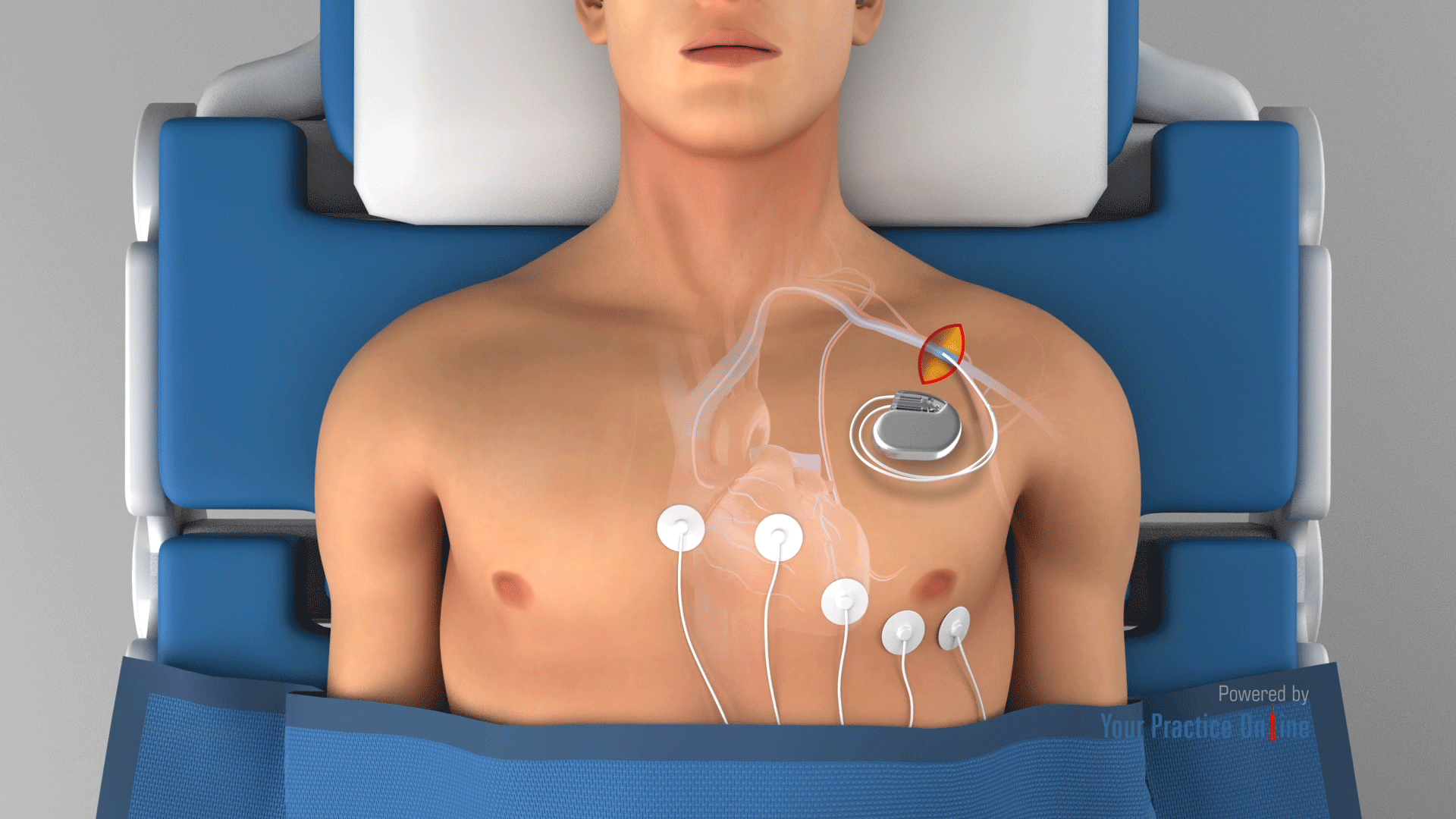
Depending on the diagnosis, treatment may involve medication, catheter ablation, pacemaker implantation, or an implantable cardioverter-defibrillator (ICD).
When Should You Consult an Electrophysiologist?
Not every episode of a racing heartbeat indicates a serious problem. However, recurring symptoms or an abnormal rhythm detected during a medical examination may warrant specialist assessment.
Consider seeking an evaluation if you experience:
Frequent palpitations: A racing, fluttering, pounding, or irregular heartbeat that keeps returning.
Episodes of dizziness: Light-headedness that occurs alongside changes in your heartbeat.
Unexplained fainting: Passing out without an obvious explanation can require prompt cardiac investigation.
Persistent fatigue: Certain rhythm disorders can affect the heart's ability to circulate blood effectively.
Previously diagnosed arrhythmia: You may need specialist advice if medication is not controlling your symptoms or your condition changes.
Sudden fainting, chest pain, severe breathlessness, or a rapid heartbeat accompanied by collapse requires emergency medical attention.
What Tests Can Help Diagnose Heart Rhythm Problems?
An electrophysiologist chooses investigations based on your symptoms and medical history.
An electrocardiogram (ECG) records the heart's electrical activity and may identify certain rhythm abnormalities.
A Holter monitor records the heartbeat continuously over a period, often 24–48 hours. Longer-term event monitors may be useful when symptoms occur less frequently.
An echocardiogram can assess the heart's structure and pumping function. Blood tests may help identify contributing factors, such as thyroid abnormalities or electrolyte disturbances.
In selected cases, an electrophysiology study may be recommended. During this procedure, specialised catheters are guided into the heart to examine its electrical pathways and investigate the origin of an abnormal rhythm.
Understanding Catheter Ablation and Other Treatments
Treatment depends on the type of arrhythmia, its severity, associated risks, and your overall health.
Catheter ablation
Catheter ablation uses thin tubes inserted through blood vessels to reach the heart. The specialist applies controlled energy, commonly heat or cold, to targeted tissue responsible for the abnormal electrical signals.
It may be recommended for certain rhythm disorders, including selected cases of SVT, atrial flutter, and atrial fibrillation. Its suitability and expected success depend on the specific condition.
Medication
Some patients can manage their rhythm disorders with medication that controls heart rate or helps maintain a normal rhythm. Treatment requires individual assessment and monitoring.
Pacemakers and defibrillators
A pacemaker may be recommended for certain clinically significant slow heart rhythms or conduction problems. An ICD may be appropriate for selected patients at risk of dangerous ventricular arrhythmias.
Your specialist should explain the potential benefits, risks, alternatives, and follow-up requirements before recommending a procedure or device.
Why Choose an Electrophysiologist in Rajendra Place?
Rajendra Place is a well-connected area of Central Delhi, making it convenient for patients seeking specialist consultations and follow-up appointments.
When selecting an electrophysiologist, consider their qualifications, experience with your particular rhythm disorder, hospital affiliation, and access to appropriate diagnostic and treatment facilities.
Ask whether your condition is likely to benefit from medication, monitoring, ablation, or an implanted device. Understanding the reasoning behind a recommendation can help you participate more confidently in treatment decisions.
Patients with chronic rhythm conditions should also consider access to regular follow-up and device monitoring, when applicable.
How Can You Prepare for Your Appointment?
Bring previous ECG reports, Holter monitor results, echocardiograms, prescriptions, and hospital discharge summaries. If possible, record when your symptoms occur, how long they last, and whether they follow exercise, caffeine consumption, or other triggers.
Tell the specialist about existing medical conditions and all medicines or supplements you take. Do not discontinue prescribed medication without medical advice.
Frequently Asked Questions
1. What is the difference between a cardiologist and an electrophysiologist?
A cardiologist manages a broad range of heart conditions, while an electrophysiologist has additional specialised training in diagnosing and treating heart rhythm disorders.
2. Can an electrophysiologist cure an irregular heartbeat?
Some arrhythmias can be successfully treated with catheter ablation, while others require medication or long-term monitoring. Outcomes depend on the specific rhythm disorder and individual circumstances.
3. Is catheter ablation a major surgery?
Catheter ablation is generally a minimally invasive procedure performed through blood vessels rather than conventional open-heart surgery. Like all medical procedures, it carries risks that should be discussed with your specialist.
Take the Next Step Towards Better Heart Rhythm Care
Recurring palpitations and other rhythm-related symptoms deserve appropriate evaluation rather than guesswork. If you are searching for an electrophysiologist in Rajendra Place, choose a qualified specialist who can identify the underlying problem, explain your treatment options, and help you manage your heart rhythm safely.
- Electrophysiologist in Ganga Ram Hospital
- Electrophysiologist in Rajendra Place
- Electrophysiologist in Patel Nagar
- Electrophysiologist in Central Delhi


